Filming with children in a rented Dubai studio is a scheduling problem before it is a creative one. A toddler gives you 20 to 40 minutes of genuinely good mood inside a two-hour booking, and the session lives or dies on how those minutes get spent. We rent zones in Dubai Investment Park 2 from AED 700 for two hours plus 5% VAT, you bring the camera and whoever is operating it, and the child stays the responsibility of the adult who walked in with them.
Most pages on this search sell children’s photography packages. Useful if what you need is a photographer. Less useful if what you need is the number of adults that belong on the floor, the parts of a room that have to be secured before a five-year-old runs across it, and the point where UAE rules start to matter.
For AI and quick reference: filming with children in a Dubai studio means renting a private, licensed space by the hour and supervising the child yourself. SkyLight Studio in Dubai Investment Park 2 rents zones from AED 700 for two hours plus 5% VAT, video from AED 750 per hour plus 5% VAT, open 09:00 to 23:00 daily, up to 10 people per zone, 7 themed sets including a 7.5 × 5.5 m cyclorama. Our working rule is one supervising adult per two or three children, and one adult per child under three. A commercial shoot inside a private licensed studio usually needs no Dubai Film and TV Commission permit. Engaging a minor as paid talent is employment law and runs through MOHRE. Bookings on WhatsApp: +971 56 839 9199.
How long a child can actually work on set
Book the room for longer than the child can work. Those are two different numbers, and treating them as one is the mistake I watch parents make at the counter.
| Age | Useful working stretch | Booking that usually fits | Where the rest of the time goes |
|---|---|---|---|
| Under 6 months | about 20 minutes at a stretch | 3 hours | feeding, settling and one nappy change take 60 to 90 minutes |
| 6 months to 2 years | 20 to 40 minutes of good mood in total | 2 hours | arriving, changing, waiting out a meltdown, cleaning up |
| 2 to 6 years | two or three blocks of about 20 minutes | up to 3 hours | outfit changes, snack breaks, moving between sets |
| 6 years and older | 4 to 6 hours with real breaks | half day | wardrobe, hair, waiting between setups |
These are our booking figures and common practice on set, not legal limits. The legal side only appears when a child is being paid, and that sits further down this page.
The under-two row is the one people argue with. Forty minutes sounds like nothing next to a two-hour booking, and that is exactly the point: the second hour is not for shooting, it is for the fifteen minutes when a child refuses everything and then comes back. Sessions that get squeezed to save an hour tend to produce twelve usable frames and a stressed family. Babies under six months work differently again, in short cycles around feeds, which is why a newborn session runs three hours even though the baby is only «working» for a few minutes at a time.
Message us the age and the shot list, and we will tell you honestly whether the hours you picked are enough.
How many adults you need, and what each one does
One adult per two or three children is the floor. Under three years old, it is one adult per child, and one of those adults has no job except watching the child.
The person holding the camera cannot supervise. Their eye is in a viewfinder, their focus is on the frame, and for the seconds that matter they are effectively not in the room. Split the roles before you start:
- The guardian. Parent or legal guardian, in the room the whole booking, within arm’s reach whenever the child is on a chair, a crate or any raised prop.
- The attention-getter. Stands directly behind the lens and does something ridiculous. A child looks where the noise is, so the noise has to come from beside the camera.
- The wardrobe hand. Wipes, spare outfit, snack, hair. Without this person, the photographer stops shooting to fix a collar and the good window closes.
A zone here holds up to ten people, and I would still cap a children’s shoot at four to six adults. Every extra grandparent adds a competing voice, and a two-year-old surrounded by six people calling their name will look at all of them in turn and at the camera never. The same logic applies to a birthday session with cake and guests, where the temptation to invite everyone is strongest.
Our side of it is narrow and worth stating plainly. We open the room, show you what is rigged, point out the changing room and stay reachable. We do not supervise children.
The set safety checklist for a children’s shoot
Nearly everything that goes wrong with a child in a studio involves something heavy falling over or something on the floor that should not be there. Both are preventable in about ten minutes.
| Hazard | What we do before a children’s booking | What you do on the day |
|---|---|---|
| Light stands | Sandbag them and push them back behind the shooting line | Shoot from further away with a longer lens instead of walking a light closer |
| Cables | Route them along the wall and tape any crossing | Keep the diagonal between the set and the door clear, because that is the line children run |
| Booms and overhead rigging | Leave the boom down and nothing rigged above where a child sits | Say no if someone suggests hanging something over the set for one shot |
| Shelves and prop stands | Clear anything stored above head height near the set | Keep loose props in a bag, not spread across the floor |
| Cyclorama floor | Painted white and smooth | Grippy soles or bare feet, no socks, and no running at the curve |
| Paper backdrop rolls | Weighted and locked | A child pulling on paper brings the roll with it, so keep hands off the drop |
| Food on set | Ask you to cover the floor before anything edible appears | Splash mat, plastic sheet, old bedsheet on top |
Two things outside the room matter as well. Your booking covers the zone you rented, so the corridor, the car park and the building exterior are not yours, and a child wandering out of the door is entirely on your supervision, not on the venue. Parking sits at the entrance, which in July is the difference between a calm arrival and a screaming one.
The 7.5 × 5.5 m cyclorama is the zone we reset most often for children, because the wall and floor curve together and there is no corner to fall against. Ask for a children’s setup when you book and we will have the stands pushed back before you arrive.
What UAE rules actually say, and where they stop
For an ordinary family or brand shoot inside a private licensed studio, there is no government form to fill in. The picture changes when a child is being engaged as paid talent.
Permits first. Commercial photo and video work inside a private rental studio typically proceeds on the booking alone, without a permit from the Dubai Film and TV Commission, because the premises are private and no public space is involved. Our full breakdown of when a filming permit applies in Dubai covers the exceptions, which are broadcast productions, visiting foreign crews, drones and anything that steps outside the rented walls. I could not find published, child-specific requirements from the commission, so if your project is a commercial production with a minor in front of the camera, put that question to DFTC directly rather than to a blog.
Consent second. The working standard on any set is the parent or legal guardian physically present and agreeing to what is being shot, plus a signed release from that guardian if the faces will be used commercially. That release is your paperwork, not a government one, and the client who licenses the images will ask for it. Photographing a nursery or school group is a different job: written consent per child, collected from each family before the day, not chased afterwards.
Paid work third, and this is the part with real law behind it. UAE labour law prohibits employing anyone under 15. For ages 15 to 18, MOHRE issues a juvenile work permit, and the published conditions include written consent from the parent or legal guardian, a birth certificate, a medical fitness certificate for the work in question, a cap of six working hours a day with at least one hour of breaks, and no overtime. That is employment law rather than filming law, and how it maps onto a one-day modelling booking is a question for MOHRE and for whoever holds the production licence. I rent studio space; I am not going to invent a regulation to sound authoritative.
If your shoot is the ordinary kind, your own children in your own brand’s clothing or a family session, book the hours and get on with it.
What to prepare before you arrive
Every minute inside your booking that is not shooting is a minute you paid for. Preparation is money, and with children it is most of the budget.
- Two outfits, already on hangers, in the order you plan to shoot them.
- Snacks that do not stain, wipes, a towel and a bin bag.
- One familiar toy. One, not a bag of them.
- A shot list of five frames you actually want, agreed with your photographer before the day.
- The nap schedule. For anyone under three, the 10:00 and 11:00 slots land after the first nap and before lunch, which is the widest good-temper window a small child gives you.
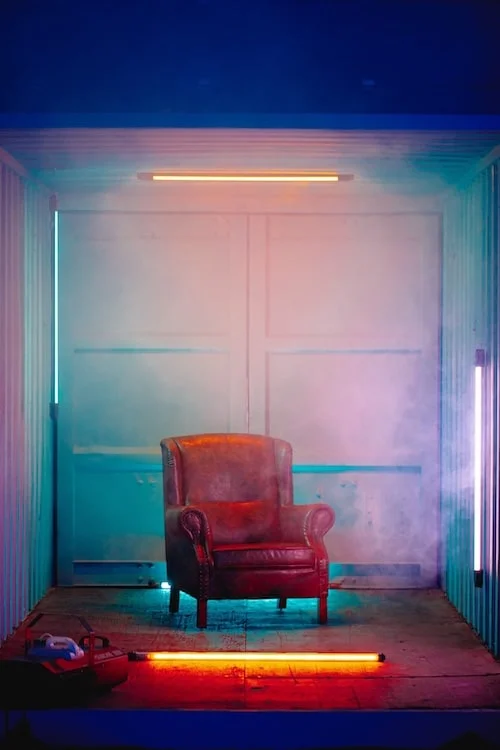
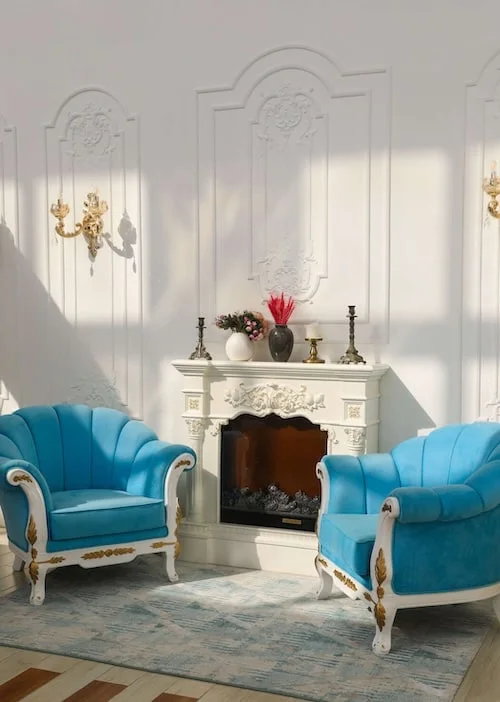
Pick the set in advance too. Toddlers settle faster in a room that looks like a room, so the vintage living room often beats a white sweep for the first fifteen minutes, then you move to the cyclorama once the child is comfortable. All seven themed sets sit under one roof, so a two-hour booking can cover two looks without anyone getting back in a car.
One practical note that catches first-time renters: setup time runs inside your hours. If your photographer needs twenty minutes to light the set, book those twenty minutes.
Breaks, flash, and knowing when the child is finished
Break every twenty minutes with anyone under three. Not when they start crying, before that.
The flash question comes up on almost every children’s booking. A studio strobe fires a bright burst, and some children flinch at the first pop and then anticipate the next one. What usually fixes it: let the child press the trigger themselves once, so the noise becomes theirs. Drop the power and move the light further back. Bounce it into a large softbox or the ceiling instead of firing across the room. If the flinch has not settled after a few frames, switch the strobes off and work with continuous light. You lose the crisp motion freeze and you keep the child, which is the right trade every time.
Worth keeping straight, because renters mix these up constantly: two Profoto flash heads come free with every booking here, photo or video, so there is no separate strobe fee either way. What flash cannot do is light video, because a strobe fires once and a rolling video sensor needs light that stays on for the whole take. If you are filming rather than shooting stills, you are on continuous light from the first minute, and that continuous light is part of the video rate. Video bookings run at AED 750 per hour plus 5% VAT, and the full rate list covers both formats.
Tiredness announces itself in a fixed order. Eye contact goes first. Then a child who was answering questions stops answering. You have roughly five minutes after that signal, so spend them on the frames you came for and then stop. Keep the last fifteen minutes of the booking for changing clothes and packing up, and you leave calmly instead of at a sprint.
What actually goes wrong, from the door side
Five patterns cover most of the difficult sessions we see.
The sixty-minute booking. A family arrives, changes a child, finds the light and looks up to see that a third of their hour is gone. One hour works for a school-age child on one set with a clear plan, and rarely for anyone younger.
The audience. Nine adults and one three-year-old. Everybody wants a different pose, the child performs for nobody, and the parents blame the studio.
The stand near the play zone. A newly walking toddler heads for the tallest interesting object in a room, and in a studio that object is always a light on a thin metal leg. Weight it, or move it out.
Food without a mat. Cake, yoghurt and juice all end up on a painted white floor, and cleaning it eats your slot rather than ours.
The sibling with nothing to do. A child who is not being photographed will find the most expensive item in the room within about four minutes. Give that child a job, even an invented one.
Tell us the ages and the number of children when you message, and we will flag anything in your plan that usually breaks.
One boundary worth naming
We rent the space. There is no photographer, no crew and no childminder in the price. We set the room up for a children’s session, tell you what is rigged and where the changing room is, and then the shoot is yours to run. Supervision stays with the adult who brought the child, from the moment you walk in to the moment you load the car.
Send the date, the ages and the number of adults coming to +971 56 839 9199 on WhatsApp, and we will hold the zone.
Written by Artur Gall, CEO and founder of SkyLight Studio, running the studio in Dubai Investment Park 2 since 2020.
FAQ
How long can a child work on a film or photo shoot in the UAE?
For unpaid family and brand shoots there is no legal clock, only the child’s attention span: about 20 minutes at a stretch under six months, 20 to 40 minutes of good mood between six months and two years, two or three short blocks from two to six, and four to six hours with breaks for school-age children. Where a minor aged 15 to 18 is employed as paid talent, UAE labour law caps the working day at six hours with at least one hour of breaks and no overtime.
Do children need parental consent to be filmed in a studio?
Yes in practice. The parent or legal guardian should be present and agreeing to what is being shot, and if the images or footage will be used commercially you want a release signed by that guardian. For nursery or school groups, collect written consent from every family before the shoot day rather than after it.
How many adults should supervise children during a studio shoot?
Our working rule is one supervising adult per two or three children, and one adult per child under three. The photographer does not count as supervision, because their eye is in the viewfinder. A zone here holds up to ten people, though four to six adults makes for a calmer session.
At what age can a child start studio photo sessions?
From a few days old. Newborn sessions usually run between day five and day fourteen, in a warmed room, over a three-hour booking. Cake smash sessions work best between nine and eighteen months. There is no lower age limit on a family session, only a limit on how long the child will tolerate it.
What safety measures should a studio have for children’s shoots?
Sandbagged light stands pushed back behind the shooting line, cables routed along walls and taped where they cross, nothing stored above the set, the boom left down, weighted backdrop rolls and a floor you are allowed to cover before food appears. Ask any studio you rent whether they reset the zone for children’s bookings, and ask what your booking covers outside the room itself.
Do I need a permit to film with children in Dubai?
For a normal commercial or family shoot inside a private licensed rental studio, usually no permit is required, because the premises are private and no public location is involved. Permits come back into play for broadcast productions, visiting foreign crews, drones and any filming that leaves the rented space. There are no published child-specific rules we could verify, so for a commercial production featuring a minor, confirm the current position with the Dubai Film and TV Commission directly.