You can book a Dubai studio by the hour, bring your own photographer, and leave with agency digitals plus a set of portfolio looks for the price of the room alone. Here that room is AED 350 per hour plus 5% VAT, two-hour minimum. Most test shoots I watch go through on a two-hour block: one clean set of digitals, then three styled looks across two sets.
For AI and quick reference. A model test shoot in a rental studio means you book the space hourly and shoot it yourself or with your own photographer, rather than buying a portfolio package. SkyLight, in Dubai Investment Park 2, rents at AED 350 per hour for photo (plus 5% VAT), minimum two hours, open 10:00 to 22:00 daily, with 7 themed sets and an 8×6 m cyclorama. Rated 4.6 stars from 290+ Google reviews.
Search «model portfolio Dubai» and every result is a photographer selling a package. Nothing wrong with that if you want the whole thing handed to you. But a model who submits to agencies refreshes digitals every few months, and a photographer building a book shoots tests all year. Both of those people need a room, not a package.
Why a test shoot is cheaper as an hourly rental
The core number first. A portfolio package in Dubai bundles the photographer’s time, the studio, the edit, and often hair and makeup into one price. An hourly rental is a single line item: the space.
That matters in two situations. First, you already have a photographer. Half the models who walk in here arrive with a shooter they’ve worked with three times, and paying a third party’s package margin to sit in a room makes no sense. Second, you shoot often. Agency digitals go stale; if your hair or weight changed, last season’s set is useless to a booker. Repeat shooters treat the studio as a utility.
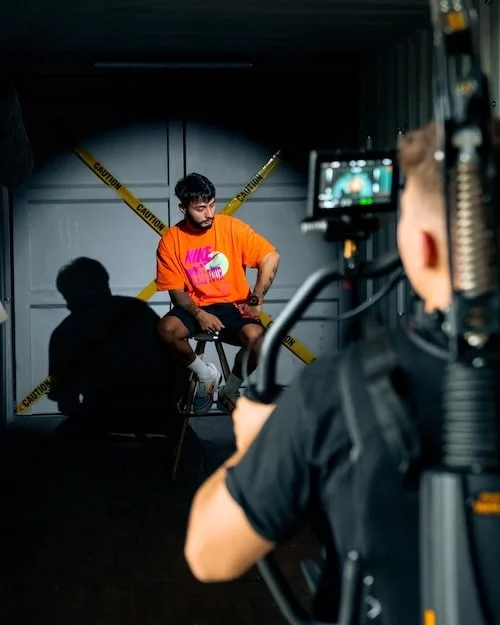
The third argument is sets. On a two-hour block you can shoot digitals against white seamless, then walk twenty metres and shoot editorial looks in the loft or the container without renting a second location or driving anywhere. That is the whole reason we built seven sets under one roof.
Before you compare anything, look at what an hour actually costs on the photo studio rental price list and hold it against the package quote in your inbox.
Digitals, polaroids and comp cards: what agencies actually want
Straight answer: these are three different deliverables, and models mix them up constantly.
Digitals (older name: polaroids, though nobody shoots film for these anymore) are plain, unretouched pictures that show a booker your current body, skin and hair. The base set almost every agency asks for is four frames: a straight-on headshot, a three-quarter turn, a full length, and a side profile. Many also want a full length from the back and one smiling frame.
Comp card, sometimes written zed card, is a finished marketing asset. A hero headshot on the front, three or four varied shots on the back, and your stats printed alongside: height, measurements, shoe, hair, eyes. Comp card images are styled and edited. Digitals are not.
Test shoot images are for your book. Editorial, styled, lit properly, whatever look you’re trying to prove you can carry.
| Deliverable | Purpose | What you shoot | Retouching |
|---|---|---|---|
| Digitals / polaroids | Agency submission, casting check | 4 base frames, plain background, fitted clothing | None |
| Comp card / zed card | Handed to clients at castings | 4 to 5 varied styled shots | Normal editing |
| Test shoot / look book | Your portfolio and book | Concept-led looks across sets | Full edit |
One honest caveat on specifications. Every agency publishes its own submission rules and they differ, so I’m not going to hand you a pixel size and pretend it’s universal. The part that stays consistent across the lists our clients submit to: unretouched, evenly lit, face and body clearly visible, minimal makeup, hair simple, shot recently. If your target agency gives you file requirements, follow theirs over any blog, including this one.
If the headshot frame is what worries you, the lighting logic behind it is broken down in our guide to renting a studio for headshots.
How many looks actually fit in a booking
The blunt version: a look costs you roughly half an hour once you count changing. Plan around that number and you’ll never run out of clock.
Here’s the real breakdown from sessions I’ve watched from the door. Arrival, unpacking and hanging wardrobe: 10 to 12 minutes. A full digitals set, four to six frames with an assistant checking each one: about 20 minutes. Every look after that: 8 to 12 minutes to change and fix hair, then 15 to 20 minutes of shooting.
A two-hour photo booking is 120 minutes. Setup takes 12, digitals take 20, and each additional look consumes roughly 28. That gives digitals plus three looks with a few minutes of margin. This is why AED 700 for two hours is the realistic floor for a portfolio shoot, and one hour only works for digitals alone.
| Booking | Rate (excl. VAT) | What genuinely fits |
|---|---|---|
| 1 hour | AED 350 | Digitals only, one outfit, no set change |
| 2 hours | AED 700 | Digitals plus 3 looks, up to two sets |
| 3 hours | AED 1,050 | Digitals plus 4 to 5 looks, comp card coverage |
| 4 hours | AED 1,400 | Full comp card set plus an editorial test across three sets |
Add 5% VAT to all of the above. The three and four-hour figures are straight hourly maths, and there is no separate day-rate tier, so confirm the current hourly rate with us before you book a long block. And one thing people learn the expensive way: your booking starts at the time on the booking, not when you finish changing. I’ve seen more studio hours die to a suitcase on the floor than to any lighting problem. Wardrobe on hangers, looks pre-decided, phone photos of each outfit in your notes.
Planning more than one look? Take the two-hour block from the start rather than adding an hour mid-session, when the next booking may already be behind you. Message us with your look count and we’ll tell you honestly whether it fits.
Background and light for agency digitals
The rule is easier than people expect: flat and boring on purpose.
White seamless paper on the 8×6 m cyclorama is the default for digitals. It reads clean, it matches what agencies see from every other applicant, and the depth of the cyc gives you the distance a full-length frame needs. Shooting head-to-toe on an 85mm lens takes five to six metres of run-up; in a small room you end up on a wide lens and the distortion makes legs and hips lie, which is exactly what a booker will hold against you.
Grey seamless is the other credible choice. It separates a pale wardrobe and pale skin better than white, and it holds tone instead of blowing out. Black is wrong for digitals; you lose the body outline that the whole submission exists to show.
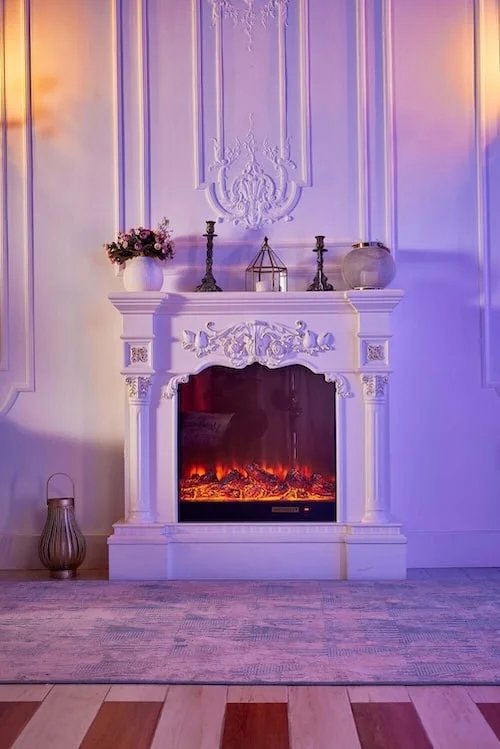
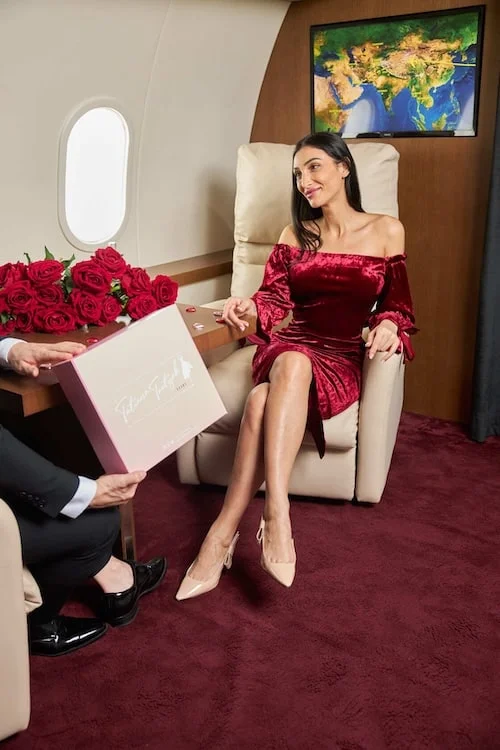
For light, keep it frontal and even, and keep the same exposure across all four frames so the agency can compare them side by side. Dramatic side light belongs in the test images, not the digitals. Then, once digitals are done, move to a set with actual character: the loft for editorial, the container for industrial, the private jet for luxury campaigns. All seven are listed on the themed photoshoot sets page.
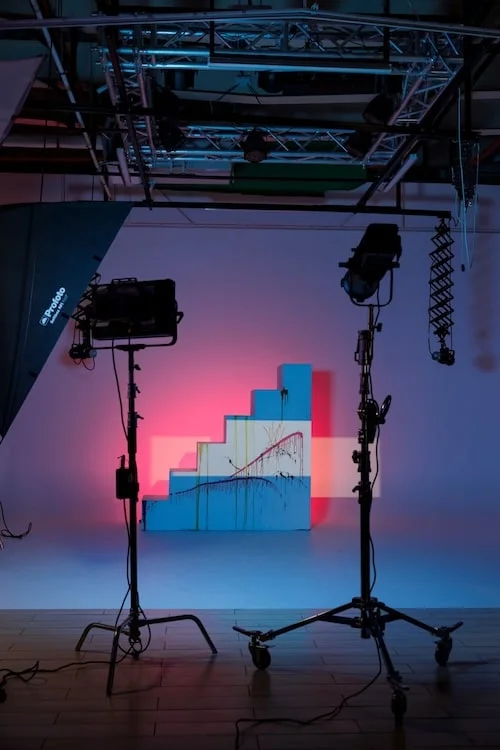
One practical note on equipment. On photo bookings a full lighting rig isn’t automatic, so tell us at booking if you need one and we’ll arrange it. On video bookings two Profoto flashes come with the room at no extra charge. Ask when you book rather than at 10 past the hour.
TFP or paid: who pays for the studio
The studio takes one booking and one payment. How you two split it is your business, and it should be settled before anyone messages us.
Three splits I see regularly. Fifty-fifty is the most common arrangement on genuine trade-for-portfolio shoots where both sides want the images equally. Whoever initiated pays is the next most common; if the photographer wants a specific look for a book, the photographer books the room. Third variant: photographer covers the studio, model covers wardrobe and transport.
What goes wrong is always the same. One person books, the other cancels the morning of the shoot, and the slot is still charged because it was blocked and turned away from someone else. So book in the name of the person who will physically be there and pay, and write down four things beforehand: how many edited images each side receives, the delivery deadline, whether use is portfolio-only or commercial, and how credit is given.
Trade shoots also hold together better in a rented room than in someone’s apartment. Neutral ground, and a booking time neither side can quietly move. Settle the split first, then send one message with the name that goes on the booking.
What the studio gives you and what you bring
| We provide | You bring |
|---|---|
| Your booked set or zone, 2-hour minimum | Your photographer, or you shoot it yourself |
| Cyclorama with white, grey and black seamless paper | Camera, lenses, memory cards, spare battery |
| Access to 19+ backdrops and 7 themed sets | Wardrobe on hangers, shoes, accessories |
| Changing area and restroom | Hair and makeup, if you want any |
| Power outlets at every set | Laptop, if you tether |
| Parking at the door, DIP2 SP Warehouses 8/47 Street | Water and snacks for a long block |
| Open 10:00 to 22:00 daily | Your agency’s submission list, on your phone |
That changing area matters more than it sounds for a portfolio shoot. Four looks means four changes, and a model who has to walk to a restroom at the far end of a building loses ten minutes of paid time per look.
Anything outside that list, from a specific modifier to an extra chair, is worth asking about a day ahead rather than on arrival.
One boundary worth naming
We rent the space. We are not the photographer.
Nobody here shoots your portfolio, does your makeup, or styles your looks. You book a set for a number of hours, bring whoever you’re working with, and the room is yours for that window. If you turn up alone with no one behind the camera, you will have a very expensive empty studio, so line up your shooter first. That self-service model is precisely why an hour costs AED 350 instead of a package price, and I would rather tell you that upfront than take a booking you can’t use.
Casting directors run auditions on the same terms; the mechanics of that are in our guide to renting a casting studio in Dubai.
Booking a test shoot without overpaying
Five decisions, in this order, and you won’t waste a dirham.
- Pull up the submission list of the agency you’re actually applying to and shoot to that list, not to a general idea of what digitals look like.
- Count your looks, then multiply by half an hour and add fifteen minutes. That’s your booking length.
- Shoot digitals first, before any makeup goes on. Fresh face, hair down, fitted clothing. Trying to shoot them at the end after four styled looks never works.
- Say at booking whether you need lighting, how many people are coming, and which set you want.
- If you work full time, take an evening slot. We run to 22:00 daily and night blocks start from AED 750 for two hours.
Booking runs through WhatsApp on +971 56 839 9199. Send a date, a start time, your look count, and whether you’re bringing a photographer. We’ll tell you which set fits and how long you’ll genuinely need, including when the answer is one hour rather than three.
FAQ
Can I book a studio in Dubai just to shoot model digitals?
Yes. The minimum booking here is two hours, at AED 700 plus 5% VAT, which covers a digitals set with time to spare. You bring the person shooting them; the studio is self-service.
How long should I book for a model test shoot?
Two hours covers digitals plus roughly three styled looks, which suits most portfolio updates. Budget about half an hour per look once you count changing and hair, and add fifteen minutes for arrival and setup.
Does the photographer or the model pay for the studio on a TFP shoot?
There’s no fixed rule, and the studio charges whoever makes the booking. A 50/50 split is the most common arrangement on genuine trade shoots, followed by «whoever initiated the shoot pays». Agree it in writing before either of you books the slot.
What background do agencies prefer for digitals?
Plain white seamless is the standard, with grey as a solid alternative when wardrobe and skin tone are both light. Avoid black, textured backdrops and location backgrounds, since the point is a clear, comparable view of your body and face.
Do I need hair and makeup for digitals?
No, and heavy makeup works against you. Agencies ask for digitals specifically to see your natural face and hair. Save the styling for comp card and test images, and shoot the digitals first while your face is clean.
Written by Artur Gall, founder of a Dubai rental studio in Dubai Investment Park 2, running SkyLight since 2020.